Pixelcraft Font for Web Design
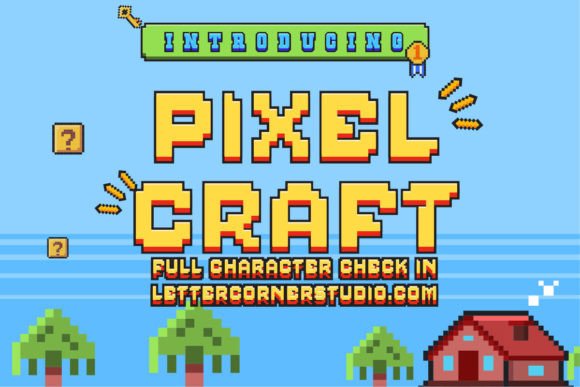
Pixelcraft is a retro pixel font style that brings a nostalgic vibe to modern web design. As a display font, it’s ideal for creating visual impact in headers, logos, and branding elements. Its pixelated aesthetic makes it stand out in digital spaces, especially when used in creative projects or retro-themed websites.
Pixelcraft for Retro Game Design Themes and Branding
Web designers working on retro game design themes can leverage Pixelcraft to maintain a cohesive visual identity. This font works well in UI elements like buttons, menus, and loading screens, adding an authentic feel to the user experience. For digital product creators, Pixelcraft enhances brand tone by evoking a sense of nostalgia while maintaining clarity in text-heavy sections.
- Use Pixelcraft for game title screens and promotional banners
- Pair it with a sans serif font for body copy to balance readability
- Apply it to landing pages for indie games or vintage-style apps
Pixelcraft for Website Headers and Hero Sections
In website headers and hero sections, Pixelcraft adds a strong visual presence. Its bold, pixelated look is perfect for attention-grabbing headlines that reflect a retro aesthetic. When designing a creative portfolio or a boutique online store, this font helps establish a unique brand voice that resonates with target audiences.
For designers focusing on visual hierarchy, Pixelcraft ensures that key messages stand out without overwhelming the layout. It works particularly well in dark mode designs, where its contrast against light backgrounds enhances readability.
Pixelcraft for Call-to-Action Areas and Buttons
Pixelcraft can be used in call-to-action areas to create a playful yet professional tone. Whether it's a "Download Now" button or a "Sign Up" prompt, this font adds character without sacrificing legibility. Digital product creators should consider using Pixelcraft for short phrases that require a distinct visual identity, such as limited-time offers or exclusive content prompts.
When applying it to buttons, ensure the font size is large enough for mobile users. On smaller screens, Pixelcraft maintains clarity, making it suitable for responsive layouts. For dark background designs, use a light-colored version of the font to preserve contrast and readability.
Pixelcraft for Online Store Banners and Product Pages
Online store owners looking to differentiate their brand can use Pixelcraft in banners, product titles, and promotional graphics. This font adds a vintage flair that complements retro or indie-themed products. In e-commerce environments, Pixelcraft helps create a memorable shopping experience that aligns with the brand’s personality.
For product landing pages, Pixelcraft can highlight key features or special offers. When paired with a clean, modern sans serif font, it creates a balanced design that guides the user’s eye through the content. This combination also supports better scanning behavior, helping visitors find information quickly.
Pixelcraft for Blog Graphics and Content Sections
Blogs and content sections benefit from Pixelcraft when the goal is to add a creative edge. Use it for article titles, subheadings, or section dividers to break up long paragraphs and improve visual flow. For bloggers targeting a niche audience, this font reinforces the theme of the content while maintaining a professional appearance.
When integrating Pixelcraft into blog graphics, avoid overusing it. Limit its application to headings and key visuals to prevent clutter. For image overlays, choose a lighter weight of the font to ensure it remains readable against complex backgrounds.
Pixelcraft for Digital Ads and Social Media Graphics
Digital ads and social media graphics often require bold, eye-catching typography. Pixelcraft fits this need perfectly, offering a distinctive look that stands out in crowded feeds. For marketers and SaaS founders, this font is ideal for campaign headlines, promotional posts, and branded content.
When designing for social media, test different sizes and placements to see how Pixelcraft performs across devices. Its pixelated style works best in square or vertical formats, making it suitable for Instagram stories, Twitter cards, and Facebook ads. Pair it with a subtle background to let the font take center stage.
Pixelcraft for Creative Portfolios and Coaching Websites
Creative portfolios and coaching websites can use Pixelcraft to reflect a unique personal brand. For designers and artists, this font adds a personal touch to project showcases, while for coaches and consultants, it helps reinforce a professional yet approachable image. Its versatility allows it to fit both high-energy and calm, focused environments.
When building a portfolio site, use Pixelcraft sparingly to avoid overwhelming the viewer. Apply it to project titles, service headings, or client testimonials to create a consistent visual language. For coaching websites, pair it with a serif font for body text to enhance readability and maintain a polished look.
Pixelcraft for Course Sales Pages and Educational Platforms
Course sales pages and educational platforms can use Pixelcraft to create a dynamic and engaging interface. This font works well for course titles, feature highlights, and motivational statements. Its retro style appeals to learners who enjoy interactive and immersive learning experiences.
When designing for educational content, ensure that Pixelcraft is used in conjunction with clear, easy-to-read fonts for instructional text. This balance ensures that the font enhances the design without compromising usability. For mobile users, keep the font size consistent across all screen sizes to maintain a seamless experience.
Pixelcraft for Commercial Font Licensing and Web Projects
Before using Pixelcraft in commercial projects, check the licensing terms to ensure compliance. Many fonts offer different licenses for websites, client projects, and online stores. For web designers and digital product creators, having a valid license is essential for avoiding legal issues and ensuring smooth implementation.
Consider the file formats included with the font, such as WOFF, TTF, or OTF, to ensure compatibility with different platforms. If the font includes multiple weights or styles, use them strategically to create depth and variation in your design. Always test the font on various devices and browsers to confirm its performance in real-world scenarios.